Steelcase vs Hbada: Gaming Chairs Compared by Specs
As an Amazon Associate we earn from qualifying purchases. Links on this page are affiliate links.
When comparing the steelcase vs hbada gaming chair options, you face two distinct ergonomic approaches. Both chairs target long-duration sitting with adjustable support systems. The Steelcase Amia focuses on traditional fabric comfort with a hidden lumbar mechanism. The Hbada X7 introduces smart technology, including AI-driven lumbar tracking and mesh ventilation. You must decide between classic ergonomic design and modern, tech-integrated seating solutions based on your specific comfort needs.
Key differences
| Aspect | Steelcase Amia Fabric Office Chair | Hbada Smart Ergonomic Mesh Chair |
|---|---|---|
| Lumbar Support | Adjustable LiveLumbar system | AI-powered dynamic tracking with dual pressure sensors |
| Material | Fabric upholstery | High-elastic breathable mesh |
| Armrest Adjustability | 4D (height, width, pivot, depth) | 720° range |
| Weight | 54.5 pounds | 33.1 pounds |
| Special Features | Carbon Neutral certified | 8D biomimetic massage and graphene heating |
Which one should you choose?
Choose Steelcase Amia Fabric Office Chair if
- You prefer traditional fabric upholstery over mesh
- You want a chair certified as Carbon Neutral
- You need a heavier, more stable base with carpet casters
Choose Hbada Smart Ergonomic Mesh Chair if
- You want AI-driven lumbar support that adapts automatically
- You prefer breathable mesh for better airflow
- You need integrated heating and massage features
Verdict: Choose the Steelcase Amia if you prioritize sustainable materials and a classic fabric feel with reliable mechanical adjustments. Pick the Hbada X7 if you want advanced smart features like automatic lumbar tracking and mesh ventilation for a cooler, tech-forward experience.
Steelcase vs Hbada Chair Specs
Lumbar Support System
The Steelcase Amia uses a hidden LiveLumbar system that adjusts dynamically to your movement. This mechanical approach provides consistent lower back support without visible components, maintaining a sleek profile. The Hbada X7 takes a different path with AI-powered dynamic lumbar tracking. It utilizes dual pressure sensors and an intelligent control system to adapt to your posture in real time. Whether you lean forward or recline, the Hbada mechanism moves with you. The Steelcase relies on physical adjustment, while the Hbada offers automated, sensor-based support that continuously responds to your body position throughout the day.
Armrest Adjustability
Armrest positioning is critical for shoulder and neck comfort during long sessions. The Steelcase Amia features 4D arm support, allowing adjustments in height, width, pivot, and depth. This multi-axis flexibility lets you position the arms precisely for your desk height and body width. The Hbada X7 offers 720° armrest adjustability. This specification suggests a wider range of rotational or positional movement compared to standard 4D arms. While the Steelcase provides precise spatial positioning, the Hbada’s 720° claim implies a broader range of motion. You should check the exact degrees of movement to determine which offers better alignment for your specific workspace setup.
Upholstery Material
Material choice affects breathability and tactile feel. The Steelcase Amia is upholstered in fabric, specifically noted as Buzz2 Black Fabric in the variations. Fabric generally offers a softer, warmer touch and can be more breathable than leather, though it may retain heat more than mesh. The Hbada X7 uses high-elastic breathable mesh for its upholstery. Mesh promotes air circulation, keeping you cooler during extended sitting. The Hbada also includes a ventilated comfort seat with three adjustable airflow levels. If you tend to get warm while sitting, the mesh and ventilation features of the Hbada provide a clear advantage in temperature regulation over the fabric Amia.
Overall Dimensions and Weight
Physical footprint and weight impact placement and mobility. The Steelcase Amia measures 26.6 inches in width, 24.8 inches in length, and 42.5 inches in height. It weighs 54.5 pounds, indicating a sturdy, substantial build. The Hbada X7 is wider at 27.6 inches and longer at 31.5 inches, with a height of 18.9 inches. This height likely refers to the backrest or a specific component, as the total chair height varies across its seven variations. The Hbada weighs 33.1 pounds, making it significantly lighter than the Steelcase. The Steelcase offers a more compact, dense presence, while the Hbada has a larger footprint but is easier to move.
Additional Comfort Features
Beyond basic ergonomics, both chairs offer unique comfort technologies. The Steelcase Amia focuses on sustainable design, being Carbon Neutral certified, and includes extra cushioning with flexible seat edges for pressure-free sitting. It lacks advanced electronic features. The Hbada X7 integrates a Work Recovery System featuring 8D biomimetic massage, graphene heating, and red light comfort technology. It also includes a 4D adjustable headrest and synchronized recline with multiple angles. The Hbada provides a suite of active comfort features like heating and massage, whereas the Steelcase relies on traditional cushioning and sustainable manufacturing. The Hbada offers more technological interventions for relaxation.
Choose your ideal ergonomic chair
Office workers seeking classic comfort
You need reliable, traditional support without complex electronics. The Steelcase Amia offers a hidden LiveLumbar system that adjusts to your movement. Its fabric upholstery and 4D armrests provide tailored comfort. The chair weighs 54.5 pounds, offering stability. This option suits those who prefer proven ergonomic mechanics over smart features.
Users wanting advanced smart features
You want technology that adapts to your posture. The Hbada X7 uses AI-driven lumbar tracking with dual pressure sensors. It includes a 4D headrest and 720-degree armrests. The breathable mesh and ventilated seat keep you cool. This chair is ideal if you value automated adjustments and modern materials.
Those prioritizing lightweight portability
You need a chair that is easy to move. The Hbada X7 weighs only 33.1 pounds, making it significantly lighter than the Steelcase. Its aerospace-grade aluminum frame ensures durability despite the low weight. The compact design fits well in smaller spaces while still offering full ergonomic adjustability for daily use.
The products compared
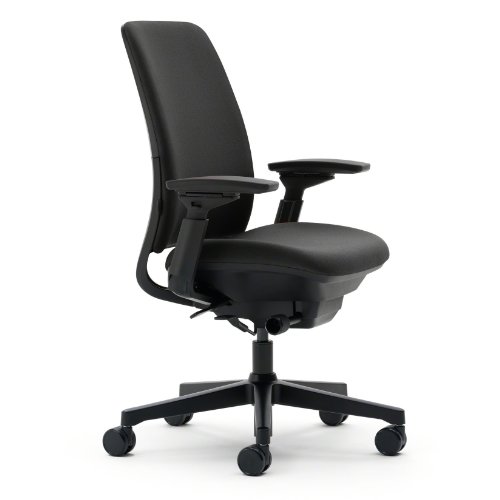
Steelcase Amia Fabric Office Chair
Best for: Long hours of dynamic lumbar support
- Upholstery Material
- Fabric
- Lumbar Support
- LiveLumbar, adjustable
- Armrest Adjustability
- 4D
- Features
- Lumbar Support
- Color
- Black
- Dimensions
- 24.8 × 26.6 × 42.5 inches
View on Amazon: Steelcase Amia Fabric Office Chair Affiliate link
The Steelcase Amia is a fabric office chair designed for long sitting sessions. It features a hidden LiveLumbar system that adjusts dynamically to your movement. You get 4D armrests that adjust in height, width, pivot, and depth. The seat has flexible edges and extra cushioning. This chair supports 8-10 hours of sitting. It is a sustainable, carbon neutral option for your workspace.
Pros
- Hidden LiveLumbar system adjusts to your movement
- 4D armrests adjust in height, width, pivot, and depth
- Flexible seat edges reduce pressure points
- Carbon neutral certified product
Cons
- Only available with carpet casters
- Fixed height variation across models
- Heavier build at 54.5 pounds
Good fit if
- You need dynamic lumbar support that moves with you
- You want armrests that adjust in four directions
- You prefer a sustainable, carbon neutral chair
Skip if
- You need a gaming chair with RGB lighting
- You require a lighter chair for easy moving
- You need casters suitable for hard floors
Verdict: Steelcase Amia Office Chair is a practical choice for users who prioritize dynamic lumbar support and highly adjustable armrests over gaming aesthetics.

Hbada Smart Ergonomic Mesh Chair
Best for: Users wanting automated lumbar tracking and cooling
- Upholstery Material
- High-elastic breathable mesh
- Lumbar Support
- AI-powered dynamic tracking
- Armrest Adjustability
- 720° adjustable
- Headrest Type
- 4D adjustable
- Seat Cushion Type
- Ventilated
- Features
- Headrest, Adjustable Arms
View on Amazon: Hbada Smart Ergonomic Mesh Chair Affiliate link
The Hbada X7 features dynamic lumbar tracking that adapts to your posture using dual pressure sensors. It includes a 4D adjustable headrest and 720-degree armrests for precise positioning. The seat offers three ventilation levels and uses high-elastic breathable mesh. This chair is built for long sitting sessions with integrated heating and massage functions. It suits users who want automated ergonomic support and cooling features.
Pros
- AI-powered dynamic lumbar support with automatic tracking
- 4D adjustable headrest for precise neck alignment
- 720-degree armrest adjustability for multiple positions
- Three-level ventilated seat with breathable mesh
Cons
- Heavy build at 33.1 pounds
- No remote control for adjusting massage or heat
- No app connectivity for smart features
Good fit if
- You need automated lumbar support that moves with you
- You sit for long periods and need cooling mesh
- You want integrated heating and massage functions
Skip if
- You prefer a lightweight chair under 30 pounds
- You need manual-only controls without automation
- You want a chair with app-based remote control
Verdict: Hbada X7 Smart Ergonomic Chair is ideal for users who prioritize automated posture tracking and cooling ventilation. It fits those who want integrated comfort features like heating and massage without manual adjustment.
Specifications side by side
| Spec | Steelcase Amia Fabric Office Chair | Hbada Smart Ergonomic Mesh Chair |
|---|---|---|
| Upholstery Material | Fabric | High-elastic breathable mesh |
| Lumbar Support | LiveLumbar, adjustable | AI-powered dynamic tracking |
| Armrest Adjustability | 4D | 720° adjustable |
| Headrest Type | not stated | 4D adjustable |
| Seat Cushion Type | not stated | Ventilated |
| Features | Lumbar Support | Headrest, Adjustable Arms |
| Material | Fabric | not stated |
| Color | Black | Graphite Gray |
| Dimensions | 24.8 × 26.6 × 42.5 inches | 27.5 × 27.5 × 40 inches |
| Weight | 54.5 pounds | 40 pounds |
| Size | Carpet Casters | not stated |
| Model | 4821410 | X701WVA-CB2 |
Frequently asked questions
Which chair is better for tall users?
The Steelcase Amia is likely better for taller users due to its larger overall footprint. It measures 42.5 inches in height and weighs 54.5 pounds, suggesting a robust frame. The Hbada X7 is significantly lighter at 33.1 pounds and has a lower height profile of 18.9 inches. This compact design may not support taller frames as effectively as the heavier Steelcase model.
Does the Hbada chair have a headrest?
Yes, the Hbada Smart Ergonomic Mesh Chair includes a headrest. This feature is listed in its attributes alongside adjustable arms. The Steelcase Amia does not have a headrest mentioned in its specifications. If you need neck support, the Hbada model provides this integrated comfort feature for long sitting sessions.
What is the weight capacity difference?
The Steelcase Amia is much heavier at 54.5 pounds compared to the Hbada X7 at 33.1 pounds. This weight difference often indicates a sturdier internal mechanism in the Steelcase unit. The Hbada chair is lighter, which may make it easier to move but suggests a different structural build. You should consider your body weight and the chair's stability needs when choosing.
Is the Steelcase Amia suitable for carpet?
Yes, the Steelcase Amia comes with carpet casters. This specific size detail ensures smooth rolling on carpeted floors without damaging them. The Hbada X7 does not specify its caster type in the provided data. If you have carpeted flooring, the Steelcase chair offers a ready-to-use solution for easy mobility without needing separate floor protectors.
Which chair has a wider seat?
The Hbada X7 has a slightly wider seat at 27.6 inches. The Steelcase Amia measures 26.6 inches in width. This one-inch difference may provide more lateral comfort for broader users in the Hbada model. Both chairs offer similar depth, with the Steelcase at 24.8 inches and Hbada at 31.5 inches. You should choose based on your preferred seat width.
Can I adjust the armrests on the Hbada?
Yes, the Hbada Smart Ergonomic Mesh Chair features adjustable arms. This is listed in its attributes, allowing you to customize the armrest position for your desk height. The Steelcase Amia is known for highly adjustable armrests as well. Both brands prioritize upper body support, but the Hbada explicitly lists adjustability as a key feature for user comfort.